
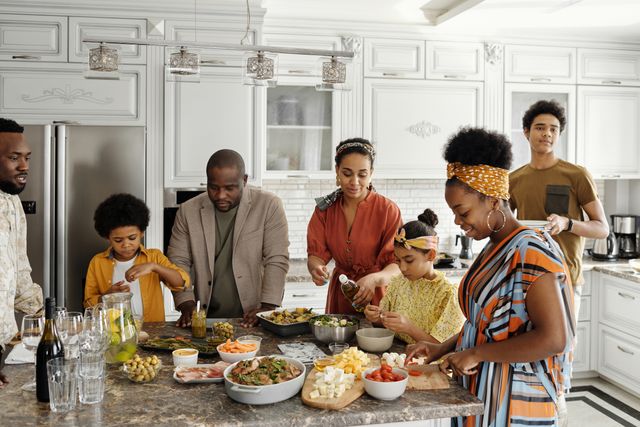
Preparing meals for young children is a daily ritual filled with love and care, but it also carries an invisible responsibility: keeping food safe from harmful bacteria. A toddler’s immune system and digestive tract are still developing, making them more vulnerable to foodborne illnesses than adults. What might cause a mild stomach upset in an adult can quickly lead to severe dehydration or serious illness in a young child.
Creating a safe kitchen environment does not require commercial-grade equipment or complicated rules. Instead, it relies on consistent daily habits, proper temperature control, and smart food handling from the grocery store to the family dinner table.
Understanding the Danger Zone
Bacteria thrive in warm, moist environments. Food safety experts often refer to the danger zone as the temperature range between 5°C and 60°C, where harmful bacteria such as Salmonella, E. coli, and Listeria multiply rapidly. At room temperature, bacterial numbers can double in as little as 20 minutes.
To keep food well out of this zone, make sure your refrigerator stays between 2°C and 4°C, and avoid leaving perishable groceries on the kitchen counter or in a warm car. When serving cooked meals, ensure meats, eggs, and reheated leftovers are piping hot all the way through to destroy harmful bacteria. Finally, follow the two-hour rule: never leave cooked food at room temperature for more than two hours, and reduce that time to one hour in hot weather.
Preventing Cross-Contamination
Cross-contamination occurs when bacteria spread from raw foods, such as raw chicken, meat, or unwashed vegetables, to ready-to-eat foods like fruit, sandwiches, or cooked meals.
To reduce the risk in your kitchen, follow these simple habits:
- Use separate chopping boards: Keep one board for raw meat and seafood, and another for fruit, vegetables, bread, and cooked foods.
- Wash your hands properly: Scrub your hands thoroughly with warm water and soap for at least 20 seconds before preparing food, after handling raw meat, and before feeding young children.
- Store raw meat on the bottom shelf: Keep raw meat in sealed containers on the lowest shelf of your refrigerator so juices cannot drip onto other foods.
Even a small amount of raw meat juice can carry enough bacteria to cause illness, so these simple precautions can make a significant difference.
High-Risk Foods for Young Children
Some foods pose a greater risk to young children and require extra care. Always cook eggs until both the yolk and white are firm, and make sure meat patties, ground meat, and poultry are fully cooked with no pink remaining. Choose only pasteurised dairy products and juices, as unpasteurised products may contain harmful bacteria. It is also best to avoid serving raw sprouts, including alfalfa and bean sprouts, because they are grown in warm, humid conditions where bacteria can thrive and are difficult to clean thoroughly.
Following food poisoning prevention tips can help reduce the risk of foodborne illness and encourage safer food preparation at home. Understanding safe food handling, storage, and preparation practices is an important part of protecting young children from foodborne illness.
Packing Safe Lunches and Snacks
When packing food for childcare, kindergarten, or an afternoon at the playground, keeping food cool takes a bit of planning. Use an insulated lunchbox paired with an ice pack or a frozen water bottle to keep perishable snacks, such as yoghurt, cheese sticks, or sliced chicken, chilled until lunchtime. For warm meals, preheat a small insulated food flask with boiling water for a few minutes before filling it with hot soup or pasta.
Before preparing packed lunches, always wipe down your benchtop thoroughly. Following proper kitchen hygiene rules helps eliminate hidden surface germs before they ever reach your child’s lunchbox.
Conclusion
Keeping young children safe from foodborne illness does not have to feel overwhelming. By building simple kitchen routines, managing food temperatures carefully, and preventing cross-contamination, you can significantly reduce the risk of food poisoning at home. These everyday habits help ensure that every lunch, snack, and family meal is both nutritious and safe, giving you greater peace of mind as your child grows.
Want to know more? Head over to our blog!