
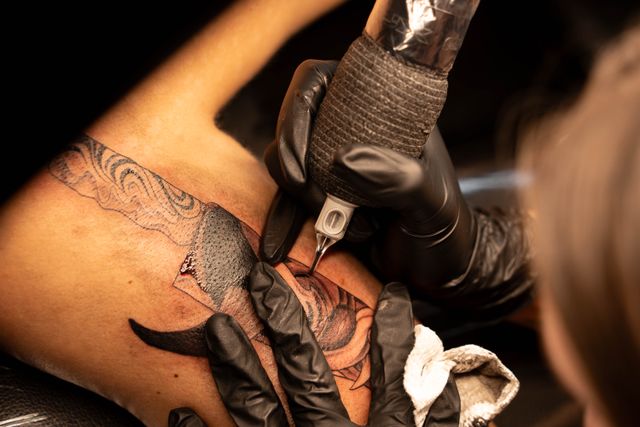
There’s a funny kind of optimism people have before a big tattoo session. They picture themselves sitting calmly for hours, maybe listening to music, maybe chatting easily with the artist, maybe discovering that they’re secretly made of stone and pain is more of a concept than a real thing. Then the appointment starts, the first hour passes, the second hour feels longer than expected, and suddenly the body has very strong opinions about what’s happening.
Long tattoo sessions aren’t just about pain tolerance. They’re about energy, comfort, placement, hydration, nerves, breaks, blood sugar, skin sensitivity and the simple fact that sitting still for a long time is harder than most people expect. If you’re planning a larger piece, it’s worth understanding how sitting time for tattoos actually works, because the best session isn’t always the longest one you can technically endure.
Your Body Isn’t Trying to Ruin the Plan
Some people feel embarrassed when they need a break, especially if they’ve built the tattoo up in their head as a test of toughness. But tattooing is physically demanding, even when you’re the one lying there. Your body is responding to repeated stimulation, stress and discomfort, and after a while it may start giving you signals that are hard to ignore.
You might feel shaky, light-headed, restless, sweaty, cold, irritated or suddenly very aware of every sound in the room. None of that means you’re weak. It means your nervous system is doing exactly what nervous systems do when they’ve had a lot to process.
A good tattoo artist already knows this. They’re not expecting you to become a marble statue for an entire day. They’d much rather you speak up early than push yourself into a state where continuing becomes harder for everyone.
Bigger Pieces Need Smarter Pacing
There’s a reason large tattoos are often split over multiple appointments. A long sitting can be useful when the placement, design and client all suit it, but there’s a point where forcing more time into one session can affect the experience and sometimes even the result. Tired skin can become more difficult to work with, and a tired client may struggle to stay still, relax or communicate clearly.
Breaking a piece into stages doesn’t make it less impressive. In many cases, it gives the artist more room to work carefully and gives your body time to heal between sessions. It can also make the whole process feel less overwhelming, especially for detailed pieces, difficult placements or first-time clients who don’t yet know how they respond over several hours.
Preparation Makes a Bigger Difference than Bravado
A surprising amount of tattoo endurance comes down to fairly ordinary preparation. Eat properly beforehand. Drink water. Wear clothes that make sense for the placement. Bring snacks if the studio allows it. Get a decent night’s sleep, or at least don’t arrive running on caffeine, anxiety and three hours of rest.
It’s also worth thinking about entertainment. Music, podcasts or an audiobook can help the time move, especially during stretches where conversation naturally drops off because the artist is concentrating. Just make sure whatever you bring doesn’t get in the way or require you to move around too much.
And yes, use the breaks. Stretch, breathe, eat something, reset your position and let your body come down for a moment. A break isn’t a failure; it’s part of getting through the appointment well.
Know When Enough is Enough
There’s a difference between discomfort and your body telling you it’s done. Most tattoo sessions involve moments where you need to breathe through it, but if you’re feeling faint, nauseous, panicked or unable to sit safely, pushing through isn’t heroic. It’s just unhelpful.
The goal is to leave with a tattoo you’re happy with and a body that hasn’t been treated like an enemy. Big pieces take commitment, but commitment doesn’t have to mean ignoring every signal you’re given.
A great tattoo session is a collaboration between you, your artist and your limits. Respect all three, and you’re far more likely to come away proud of the artwork rather than traumatised by the endurance test.
Want to know more? Head over to our blog!