
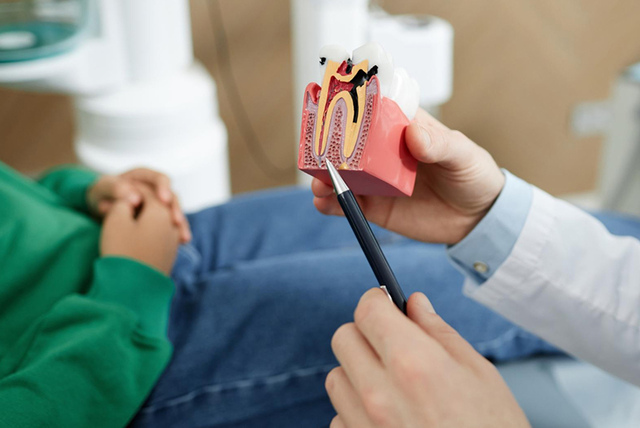
Recovering from a root canal is an important step in ensuring the long-term health of your treated tooth. While the procedure may sound intimidating, knowing what to expect and following proper aftercare can make recovery smoother and more successful. This guide explains the recovery process, diet tips, oral care, and when to contact your dentist.
Understanding the Root Canal Procedure
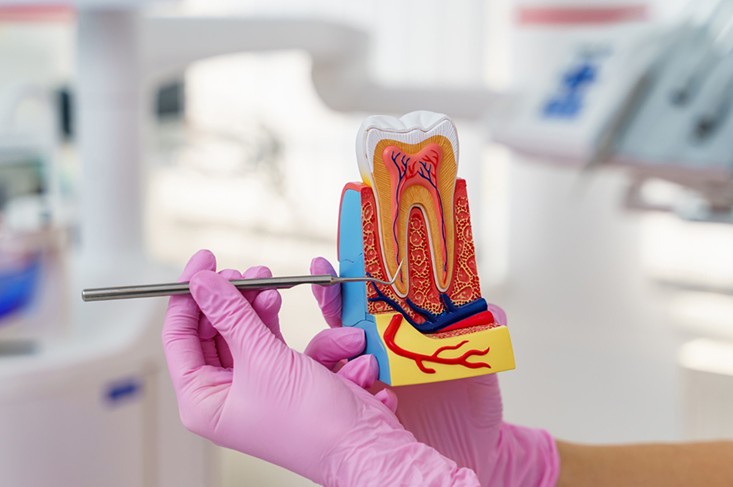
A root canal is an endodontic treatment that removes infected pulp from inside the tooth. The pulp contains nerves, blood vessels, and connective tissue, and once it’s infected, it must be cleaned and sealed to prevent further damage.
Why It’s Done
The primary purpose is to save your natural tooth while eliminating pain from infection. Without this treatment, extraction or a dental implant may be the only options.
Common Reasons You May Need One
- Deep tooth decay
- Cracks or fractures
- Repeated dental procedures on the same tooth
- Injury or trauma
- Severe pulp infection
Immediate Aftercare
Managing Pain and Swelling
It’s normal to feel some discomfort or soreness after treatment. Pain relievers—either prescribed or over-the-counter—help control inflammation. Applying a cold compress in 15-minute intervals can reduce swelling during the first 48 hours.
Medication Guidance
Your dentist may prescribe antibiotics if there’s a risk of infection. Always follow dosage instructions closely for the best outcome.
Eating for Faster Recovery
Food choices can make a big difference during healing.
Avoid These Foods
- Crunchy snacks like chips or popcorn
- Sticky candies such as caramel or gum
- Hard or chewy meats
- Very hot, cold, or sugary items
Choose Softer Options
- Mashed potatoes
- Yogurt
- Smoothies (without seeds)
- Scrambled eggs
- Oatmeal
- Lukewarm soups
Sticking to soft foods prevents unnecessary pressure on your healing tooth.
Essential Oral Hygiene Practices
Good oral hygiene is crucial to prevent bacteria from entering the treated area.
- Use a soft-bristled toothbrush and non-abrasive toothpaste.
- Brush gently, especially around the treated tooth.
- Floss carefully to avoid disturbing the temporary filling or crown.
Activities to Avoid
Strenuous Exercise
High-intensity workouts can increase blood flow, which may worsen discomfort or cause bleeding. Rest for at least 24 hours after the procedure.
Extreme Temperatures
Skip hot tubs, saunas, or exposure to very cold environments, as sudden temperature changes may increase sensitivity.
The Importance of Rest
Rest allows your body to focus energy on healing. Sleeping with your head slightly elevated can reduce swelling. During the first few days, avoid chewing on the treated side or overusing the tooth until your permanent crown is placed.
Tracking Your Recovery
Signs You’re Healing Well
- Less pain and swelling over time
- Ability to chew normally again
- Reduced sensitivity to temperature or pressure
When to Call Your Dentist
Contact your provider immediately if you notice:
- Persistent or worsening pain
- Swelling, pus, or fever
- Sensitivity that doesn’t improve
- A cracked or missing temporary filling
Follow-Up Appointments
Most patients return within 1–2 weeks for a follow-up. At this visit, your dentist will check the healing site and usually replace the temporary filling with a permanent crown or other restoration. X-rays may also be taken to confirm the infection is gone.
Possible Complications
Though rare, complications can occur.
- Persistent pain may signal infection or damage.
- Swelling or fever may mean retreatment is needed.
- A lost temporary filling requires prompt attention to avoid reinfection.
Conclusion
Recovering from a root canal doesn’t need to be overwhelming. By managing discomfort with medication and cold compresses, eating soft foods, practicing gentle oral hygiene, and resting, you can heal smoothly. Regular follow-ups ensure your tooth remains strong and functional for years to come.
If you’re in Fullerton, CA, the team at Arya Dental provides expert root canal care and follow-up support to help you achieve long-term oral health. You can book an appointment online.
Frequently Asked Questions (FAQs)
Q1: How long does recovery take?
Most people feel relief within a few days, though complete healing can take 1–2 weeks.
Q2: What foods are best after a root canal?
Soft foods like yogurt, eggs, oatmeal, and soups help protect the treated tooth while it heals.
Q3: Is pain or swelling normal?
Yes, mild discomfort is expected. Severe or persistent symptoms should be checked by your dentist.
Q4: When will I get my permanent crown?
Usually within a few weeks, once healing is confirmed.
Q5: Can I brush and floss normally?
Yes, but do so gently around the treated tooth until the permanent crown is placed.