
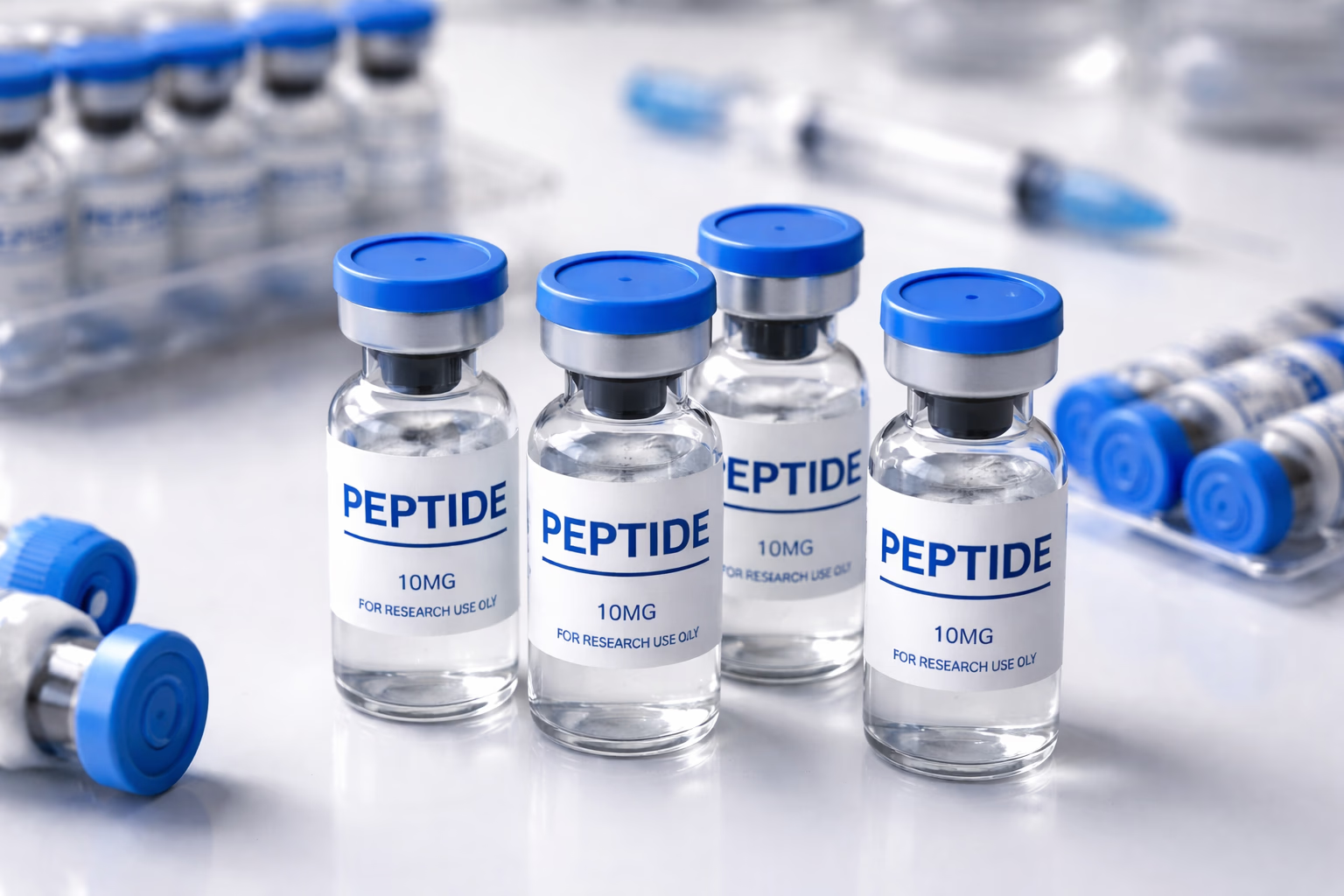
Ordering research materials online is easy. It may save time and resources. But you need to be careful before placing your order.
Most peptide websites list the basic things like:
- A peptide name
- Purity percentage
- Some technical data.
However, you may need more data to find out if a material will suit your lab requirements.
Comparing suppliers? Evaluate these key points:
Peptide Identity
The first step is to make sure that you know exactly what they are selling. Look for the peptide name and other identifying data available. Compare them to the needs of your research project.
Product names may sometimes be very similar. But the properties of various compounds differ. Check if the supplier offers other specifications like:
- A sequence
- Molecular weight
- Any other identifiers.
Intended Use
Be aware that not all peptides found online are meant for the same purpose. If a research material is supplied for controlled laboratory investigation, it may not be used as a treatment.
Before you buy peptides online in Canada, review the supplier’s description of the product. Is the product classified as meeting your research needs?
This data will also inform you of the handling procedures to adhere to. As you may already know, some materials require special handling and storage procedures.
Purity Information
One of the key specifications found on peptide product pages is purity. However, it is not enough to know the percentage of purity.
Seek out data on purity determination and analytical data. Also, confirm whether the result applies to the lot you are considering.
Lot-specific Records
One of the things that researchers should look at when assessing an online peptide procurement company is documentation that will be related to the exact material that is being purchased.
This is where a document of analysis or analytical report comes in. It can help to find out information about a specific batch. It can contain test data about identity and purity. This provides a more solid foundation for the researchers to assess the material.
These records can also be useful for internal documentation in the laboratory and for future reference.
Quality of Product Information (QPI)
Don’t just choose the cheapest supplier. Instead, evaluate the information they have given.
- Is the peptide clearly identified?
- Are purity results explained?
- Is lot-specific documentation available?
- Are storage instructions provided?
- Do they clearly explain the intended research use?
Be on the lookout for useful information about the material.
Storage and Handling Information
Product information should also describe any relevant storage and handling requirements. With this data, you will know whether you have the required conditions for the material.
It’s easier to review the details before ordering than after the products arrive.
Summary
Buying peptide products is not just a matter of reading a product title and specification sheet. Check the:
- Identity
- Intended use
- Purity
- Documentation
- Quality of product information
- Handling requirements.
With this information, you can procure peptides wisely. This also helps you maintain better records of the materials used in your research.
Want to know more? Head over to our blog!